
Treasury Bond Yield Turmoil Sparks Global Concerns
Shibbir Ahmed প্রকাশিত: ২১ আগস্ট, ২০২৬, ০৯:০৮ পিএম
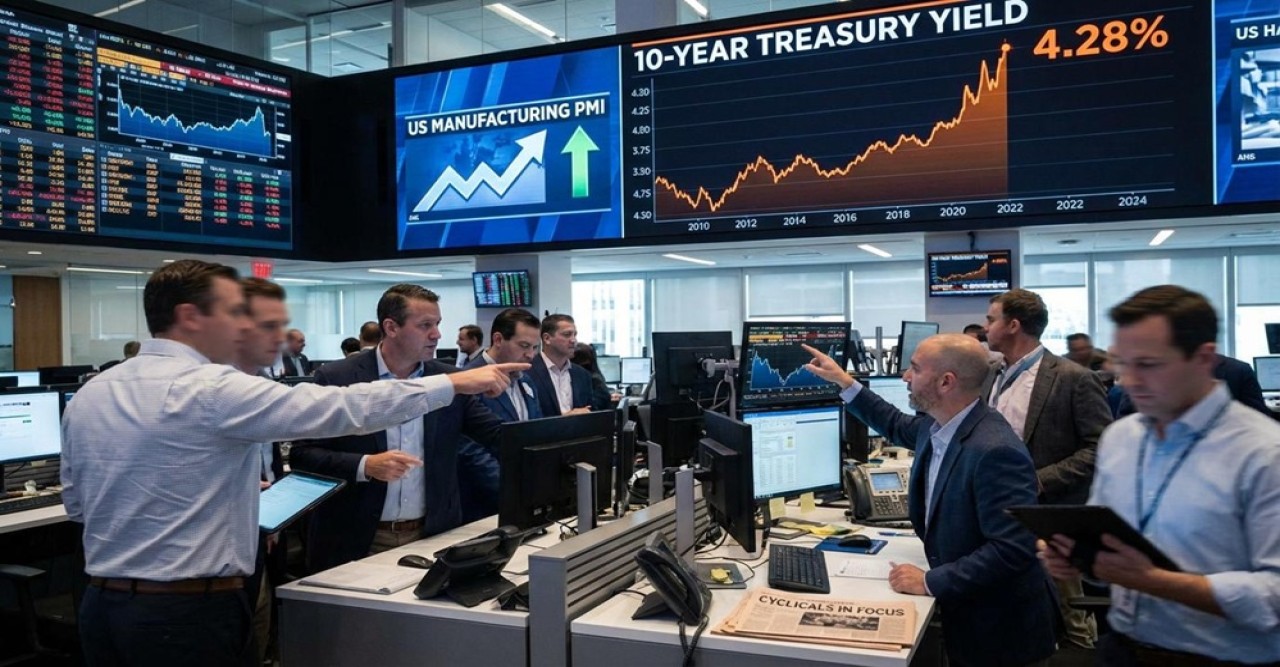
Shibbir Ahmed, Washington, D.C.: A sharp rise in yields on long-term U.S. government bonds has triggered renewed turmoil in the country’s debt market. To help stabilize the situation, the U.S. Treasury Department has decided to double the size of its long-term government bond buyback operations. While the move initially brought some relief to the market, yields have started rising again. As a result, investor concerns over the United States’ massive government debt, budget deficit and future inflation have deepened.
Why Has the Market Become So Turbulent?
In recent weeks, yields on long-term U.S. government bonds have risen sharply. On Wednesday, the yield on the 30-year Treasury bond reached 5.34 percent, its highest level since 2007. The yield declined somewhat after the Treasury Department announced its expanded buyback program. However, that relief did not last, and yields began rising again.
Higher yields increase the cost of borrowing for the U.S. government. At the same time, they can push up the cost of mortgages, business loans and other long-term borrowing. This could also put pressure on economic growth.
Treasury Doubles the Size of Bond Buybacks
U.S. Treasury Secretary Scott Bessent announced that from September 9 through November 4, the Treasury will spend up to $4 billion in each operation to buy back government bonds with maturities ranging from 10 to 30 years. Previously, the maximum amount for each operation was $2 billion.
The Treasury Department's goal is to buy back some of the longer-term bonds that are traded less frequently, improve market liquidity and reduce pressure on long-term interest rates.
Bessent has also indicated that the Treasury could buy back more than $4 billion in individual operations if necessary. Following the Treasury's announcement, government bond yields initially declined. But within a short period, those gains were erased and yields began rising again.
This suggests that government bond buybacks alone may not be enough to address the underlying causes of the market turmoil. Investors remain focused on the United States’ massive government debt, large budget deficit, inflation concerns and uncertainty over the future path of interest rates.
U.S. Government Debt Surpasses $40 Trillion
One of the biggest factors behind the current market turmoil is the enormous size of the U.S. government debt. The country's total government debt recently surpassed $40 trillion for the first time. Along with the massive debt burden, the government's large budget deficit is also raising concerns among investors. As government debt continues to increase, so does the cost of servicing that debt.
Analysts say government bond buybacks may provide temporary relief to financial markets, but they cannot solve the underlying problems associated with the country's rising debt and budget deficit.
Impact Extends Beyond the United States
U.S. government bonds are considered one of the foundations of the global financial system. As a result, rising yields on long-term U.S. government bonds can affect debt markets in other countries as well. Long-term government bond yields have also been rising in countries including Germany and Japan. This has raised concerns that governments, businesses and consumers around the world could face higher borrowing costs.
Investors across Asian markets are also closely watching the Treasury Department's moves. A decline in long-term U.S. Treasury yields could provide some relief to other markets. But if yields continue to rise, global financial markets could come under renewed pressure.
The key question now is whether the Treasury Department can use government bond buybacks to bring down long-term interest rates on a sustained basis. Analysts say bond buybacks can improve market liquidity and ease pressure in the short term. However, if the United States continues to face massive government debt, large budget deficits and inflation risks, keeping long-term interest rates low could become increasingly difficult.
In other words, Bessent's move may give the market some breathing room for now. But unless the underlying problems surrounding U.S. debt and the budget deficit are addressed, turmoil in the Treasury bond market could return. For global markets, the most important question is now this: Is the current turmoil in the U.S. debt market temporary, or could it mark the beginning of even greater pressure on global debt markets?