
35 Years Under a Death Sentence, Still No Freedom for Bangladeshi Prisoner Syed Rabbani
Shibbir Ahmed প্রকাশিত: ২২ আগস্ট, ২০২৬, ০৮:০৮ পিএম
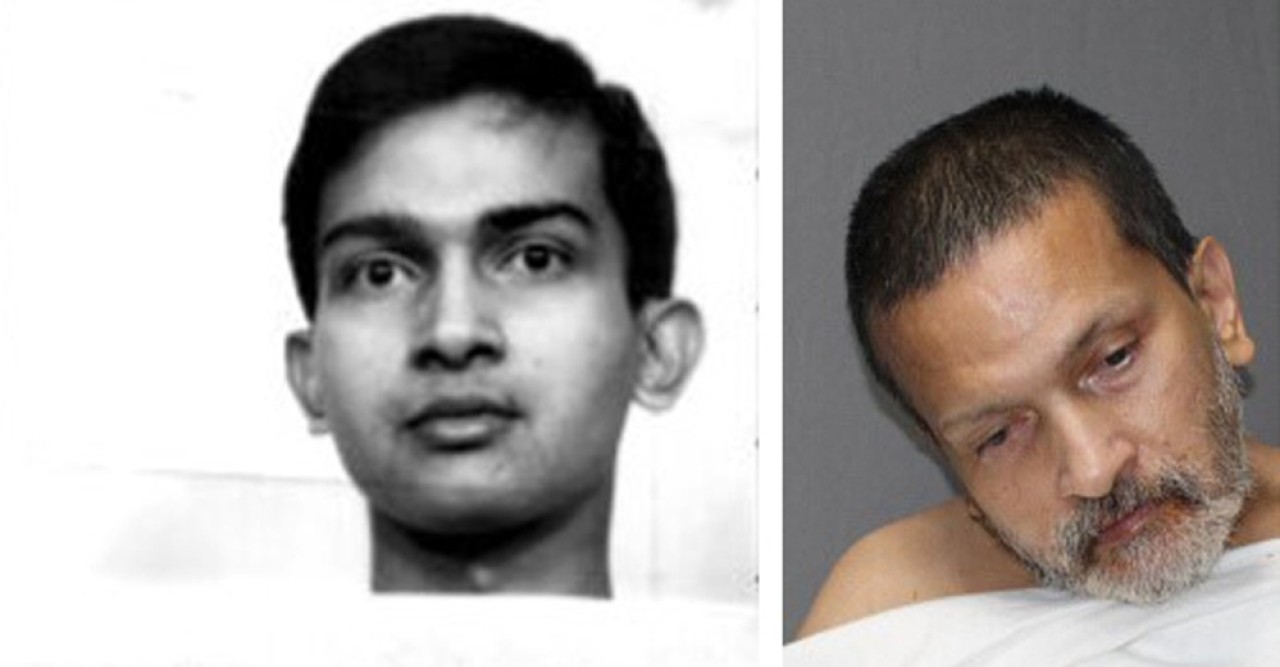
Shibbir Ahmed, Houston, Texas: Syed Mohammed Rabbani came to the United States from Bangladesh at the age of 23 to pursue higher education. But his life in America took a devastating turn after he was accused of a murder in Houston. Convicted in 1988 and sentenced to death, Rabbani spent nearly 35 years on Texas death row.
For nearly three decades, a crucial appeal in his case remained unresolved within the court system. The petition resurfaced in 2022. A year later, the Texas Court of Criminal Appeals overturned his death sentence while leaving his murder conviction intact.
On November 14, 2023, Rabbani was resentenced from death to life imprisonment with the possibility of parole. Texas prison records also document that his sentence was formally changed from death to life on that date. But while Rabbani escaped the death penalty, he did not escape prison.
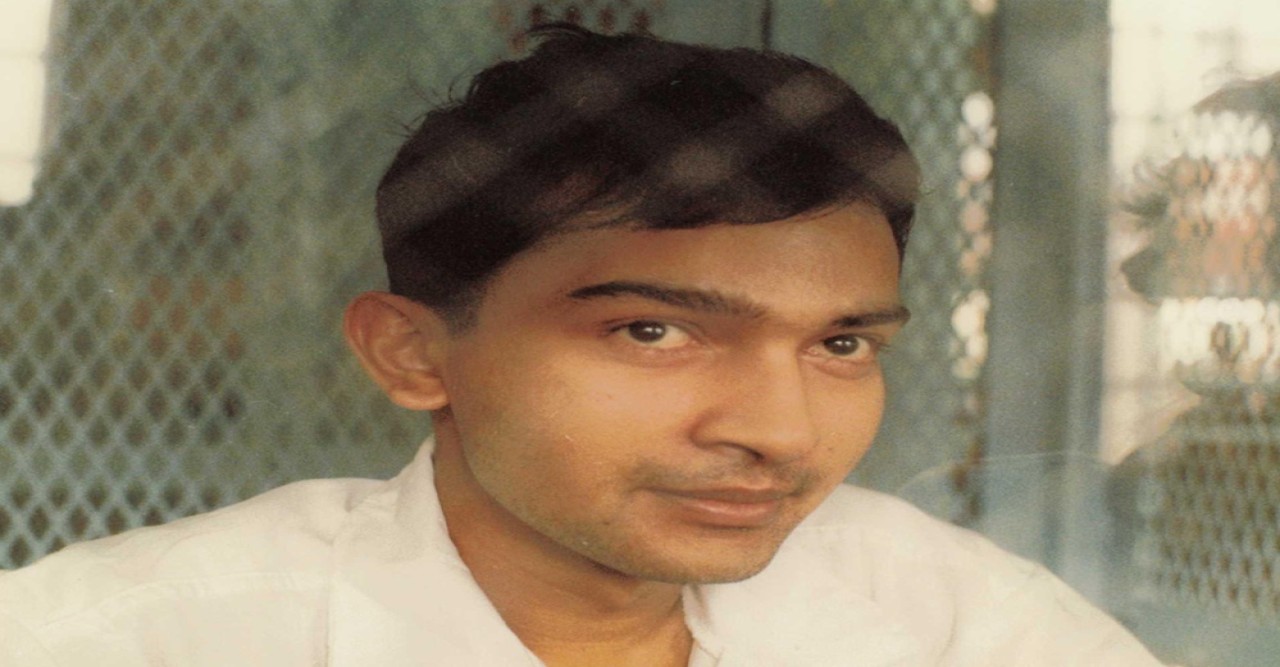
According to the latest information available in 2026, Rabbani, now 60, remains incarcerated at the Carole Young Unit in Dickinson, Texas. He is receiving hospice care. His parole request has been denied. According to his attorney, Benjamin Wolff, Rabbani's immigration status also prevents him from receiving certain forms of medical release.
The Murder That Changed His Life
The case began on November 1, 1987. A Bangladeshi immigrant, Mohammed Zakir Hassan, was shot and killed at a Quick-N-Easy convenience store in Houston. Rabbani was accused of killing him. Court records and subsequent reports indicate that Hassan was known to Rabbani and was part of the same Bangladeshi immigrant community. In 1988, a Harris County jury convicted Rabbani of capital murder and sentenced him to death.
Texas prison records identify him as Syed Rabbani, with Texas Department of Criminal Justice identification number 910. According to the official records, he was taken into TDCJ custody on July 25, 1988. His date of birth is listed as June 12, 1965, and the date of the offense as November 1, 1987.
First Appeal Fails
Rabbani's direct appeal reached the Texas Court of Criminal Appeals, the state's highest court for criminal cases. In 1992, the court upheld both his conviction and death sentence. A date for his execution was also set in 1993. But the execution never took place. Another legal battle was about to begin.
A 1994 Petition and Nearly Three Decades of Silence
In 1994, Rabbani's attorneys filed a petition challenging the constitutionality of his death sentence. The petition questioned whether the jury had been properly allowed to consider important mitigating circumstances during the punishment phase of his trial, including issues related to Rabbani's mental health.
But the petition did not move through the judicial system in a normal or timely manner. Investigations by Houston Landing and reporting by The Texas Tribune found that Harris County's court system had allowed numerous old criminal appeals to remain unresolved for years. Rabbani's case was among them.
His petition remained effectively unresolved for approximately 28 years. During that time, a 23-year-old immigrant who had come to America seeking an education grew into an older, seriously ill prisoner—while a critical constitutional question in his case remained unanswered.
His Attorney Died, and the Case Was Lost in the System
The attorney who filed Rabbani's 1994 legal challenge, Dick Whelan, died in 2008. Another attorney was subsequently appointed to represent Rabbani. But his current attorneys later told the court that little meaningful legal action had been taken in the case for many years.
According to the Houston Landing investigation, Rabbani was at one point effectively without meaningful legal representation while his petition remained buried in the Harris County court system. The Harris County prosecution also failed to respond to the petition for an extended period.
The Forgotten Petition Resurfaces in 2022
After nearly three decades, Rabbani's old petition resurfaced in 2022. The Harris County District Clerk's Office was reviewing old cases that had remained unresolved for years when the petition was discovered and eventually sent to the Texas Court of Criminal Appeals. It was one of more than a hundred old cases that had languished within the court system. By then, Rabbani was in his 50s.
The young man who had received a death sentence in 1988 had spent roughly 35 years in prison, and his physical and mental health had deteriorated significantly.
His Health Deteriorated Behind Bars
Rabbani's health declined during his decades in prison. Texas prison medical records documented serious mental-health problems. He was later diagnosed with conditions including schizophrenia and schizoaffective disorder. According to his attorneys, his physical condition also deteriorated severely around 2022. He experienced significant problems with mobility and communication.
His attorneys also said prison medical personnel had recommended hospice care. They argued that his status as a death-row prisoner prevented him from receiving the care in the manner recommended.
A Major Legal Victory in 2023
On September 6, 2023, the Texas Court of Criminal Appeals granted a significant part of Rabbani's legal challenge. The court found that the jury had not been properly instructed regarding certain mitigating circumstances that could have been considered when determining whether Rabbani should receive the death penalty.
A central issue was whether the jury had been given an adequate opportunity to consider evidence concerning Rabbani's mental illness and other mitigating factors. The court overturned his death sentence and ordered a new punishment proceeding. But the decision did not mean that Rabbani was acquitted of murder. His conviction remained intact. In other words, the court did not overturn the underlying murder conviction. It overturned only the death sentence.
November 14, 2023: Death Sentence Replaced With Life
Following the court's decision, Harris County prosecutors decided not to seek the death penalty again. At the November 14, 2023 resentencing hearing, prosecutors said they would no longer pursue execution, citing Rabbani's serious physical and mental-health conditions as well as the extraordinary history of the case.
Harris County prosecutor Joshua Reiss described the extraordinary delay in Rabbani's case as a serious failure of the justice system. Rabbani was then resentenced to life in prison with the possibility of parole.
Texas prison records formally record the change on November 14, 2023, showing that his sentence was reformed from death to life. That date officially ended nearly 35 years of death-row confinement. But it did not make Rabbani a free man.
Separated From His Family for Decades
Another painful chapter of Rabbani's story involves his family in Bangladesh. According to information presented by his attorneys, contact between Rabbani and his family in Bangladesh was lost after his father's death in 1995. For nearly three decades, his family did not know what had happened to him.
In 2023, relatives discovered through news coverage of Rabbani's case that he was still alive and imprisoned in Texas. The family expressed a willingness to take him back and care for him if he were released. But that reunion has yet to happen.
Parole Was Denied
After his death sentence was reduced to life imprisonment, Rabbani became eligible to seek parole because of the decades he had already spent behind bars. But his parole request was denied. As a result, although Rabbani was spared execution, he remained incarcerated.
His Final Chapter Is Now Unfolding in Prison
A June 2026 report by the Houston Chronicle brought renewed attention to Rabbani's current condition. Rabbani, now 60, remains incarcerated at the Carole Young Unit in Dickinson. He is receiving hospice care. His attorney, Benjamin Wolff, said Rabbani's immigration status also prevents him from accessing certain forms of medical release. More than three decades after receiving a death sentence, Rabbani is therefore still behind bars.
Nearly 28 Years for One Appeal
Perhaps the most extraordinary aspect of Rabbani's case is the length of time it took for a critical legal petition to receive judicial attention. The petition was filed in 1994. It resurfaced in 2022. For approximately 28 years, it remained unresolved within the court system.
During those years, Rabbani went from a young man in his 20s to a seriously ill prisoner in his late 50s. His physical and mental health deteriorated. He lost contact with his family. And he spent decades living under the threat of execution.
Investigations into the Harris County court system uncovered more than a hundred old cases that had remained unresolved for years. Rabbani's case was among the most consequential because he was a death-row prisoner throughout much of that period.
No Longer Facing Execution—But Still Not Free
Rabbani's murder conviction remains intact. His death sentence has been overturned. On November 14, 2023, he was resentenced to life in prison with the possibility of parole. His parole request was denied. And in 2026, he is receiving hospice care inside a Texas prison.
A 23-year-old Bangladeshi man came to America with hopes of pursuing higher education. Today, at 60, nearly four decades of his life have passed behind prison walls. The death sentence is no longer hanging over his head. But the prison doors have not opened either.
Rabbani's story is therefore more than the story of a murder conviction or a death sentence. It is also a story of extraordinary judicial delay, a failure within the court system, the physical and mental deterioration of a prisoner over decades, and a family separated from a loved one for nearly a generation.
The central question remains, how could a constitutional petition filed by a death-row prisoner remain unresolved within the court system for nearly 28 years? Rabbani's death sentence was ultimately overturned. But the years he lost can never be returned.