
TPS Protections Face Major Setbacks as Deportation Fears Grow
Shibbir Ahmed প্রকাশিত: ২২ আগস্ট, ২০২৬, ০৬:০৮ পিএম
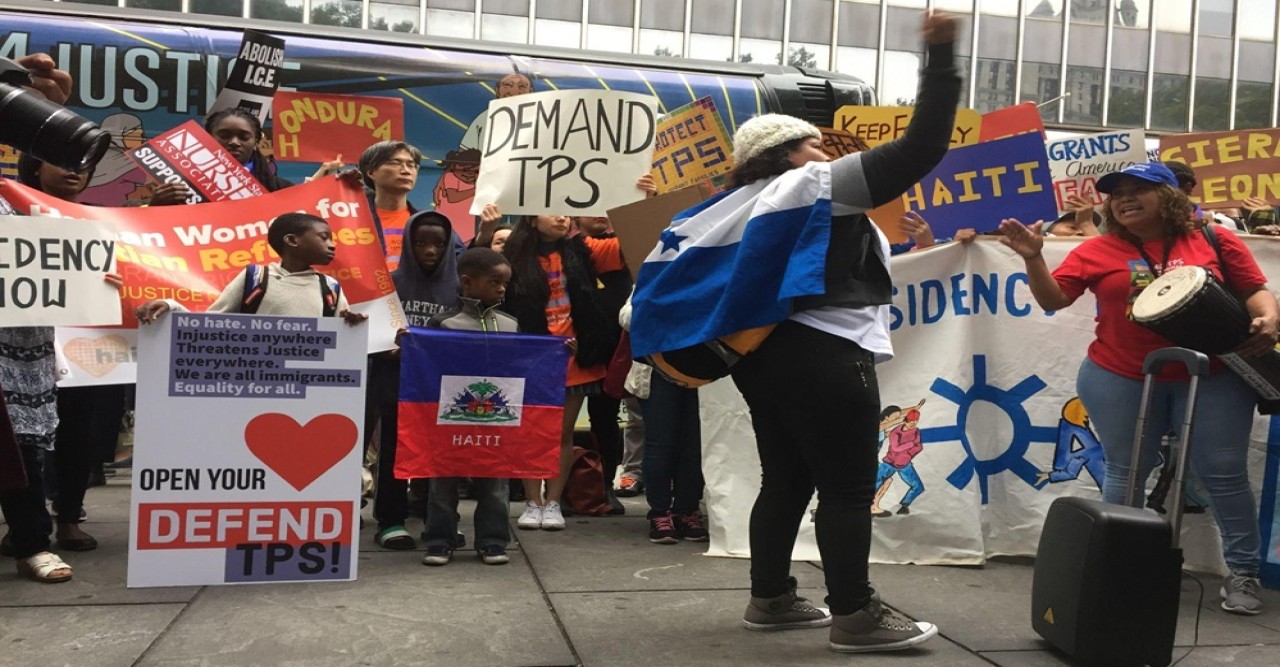
Shibbir Ahmed | Washington, D.C.: Thousands of immigrants in the United States are facing growing uncertainty after federal courts cleared the way for the Trump administration to end Temporary Protected Status, or TPS, for nationals of several countries.
The court decisions have removed legal barriers that had temporarily prevented the administration from terminating protections for certain groups. For immigrants who rely solely on TPS to remain legally in the United States, the changes could significantly increase the risk of deportation.
TPS is a federal humanitarian program that allows eligible nationals of designated countries to remain temporarily in the United States and obtain work authorization when conditions in their home countries make it unsafe for them to return. Such conditions can include armed conflict, political instability, natural disasters and other extraordinary circumstances.
The Trump administration has moved to terminate TPS designations for nationals of several countries, prompting immigrant rights groups and affected individuals to challenge the decisions in federal court. In several cases, judges initially blocked or delayed the terminations while the legal challenges proceeded. Those court protections, however, have increasingly been lifted in recent months.
Major Blow for Haitians
The changes represent a significant setback for roughly 350,000 Haitian nationals who had been protected under TPS. With court-ordered restrictions lifted, the administration has been able to move forward with ending the protections. Affected Haitians could lose their work authorization and protection from removal if they do not have another legal basis to remain in the United States. The arrival of a U.S. deportation flight in Haiti on Aug. 21 underscored the growing consequences of the administration's broader immigration enforcement policies.
Other Countries Also Affected
Haiti is not the only country affected by the administration's efforts to end TPS protections. Recent court decisions have also cleared the way for the termination of protections for nationals of Syria, South Sudan, Myanmar, Somalia and Ethiopia.
A federal judge recently lifted a stay that had prevented the administration from ending TPS for Somali nationals. In another case, a judge allowed the administration to proceed with terminating TPS protections for thousands of Ethiopians. The developments have raised concerns among immigrants who have lived and worked in the United States for years but whose legal status depends primarily on TPS.
Supreme Court Ruling Changes the Legal Landscape
A major turning point came in June 2026, when the U.S. Supreme Court issued a decision limiting the ability of lower federal courts to intervene in certain challenges involving the termination of TPS.
The ruling has made it more difficult for immigrant groups to obtain lengthy court orders blocking the administration from ending TPS designations. As a result, several cases that had temporarily halted the terminations have moved forward, allowing the administration to implement its decisions.
Does Losing TPS Mean Immediate Deportation?
Not necessarily. The termination of TPS does not automatically mean that an immigrant will be deported the following day. Some TPS holders may have other forms of legal protection or pending immigration cases.
For example, an individual may have a pending asylum application, a family-based immigration case or another valid immigration status that provides an independent basis for remaining in the United States.
The situation is more serious for individuals whose only legal protection is TPS. Once that protection ends, they may become subject to removal proceedings unless they qualify for another form of immigration relief.
What TPS Holders Should Know
Immigrants affected by the TPS terminations should carefully review their individual immigration situations, including their current status, employment authorization, pending applications and any previous or existing removal orders. Immigration cases are highly individual. Two people from the same country may have very different legal options depending on their immigration history and pending applications.
The series of TPS terminations has created significant uncertainty for thousands of immigrants across the United States. As federal courts continue to lift stays and other legal barriers, affected immigrants are increasingly being urged to determine whether they have another legal pathway to remain in the country.
What This Means for Bangladeshis
Bangladesh is not currently among the countries whose nationals are covered by TPS in the United States. The recent court decisions involving the termination of TPS therefore do not directly affect Bangladeshi nationals.
However, the broader tightening of U.S. immigration enforcement could have indirect consequences for Bangladeshi immigrants, particularly those without another lawful basis to remain in the country.